By: Maria Helena Gomes and Dalila Vieira
From: Colab4Food – Collaborative Laboratory for Innovation in the Agri-Food sector.
20 May 2026
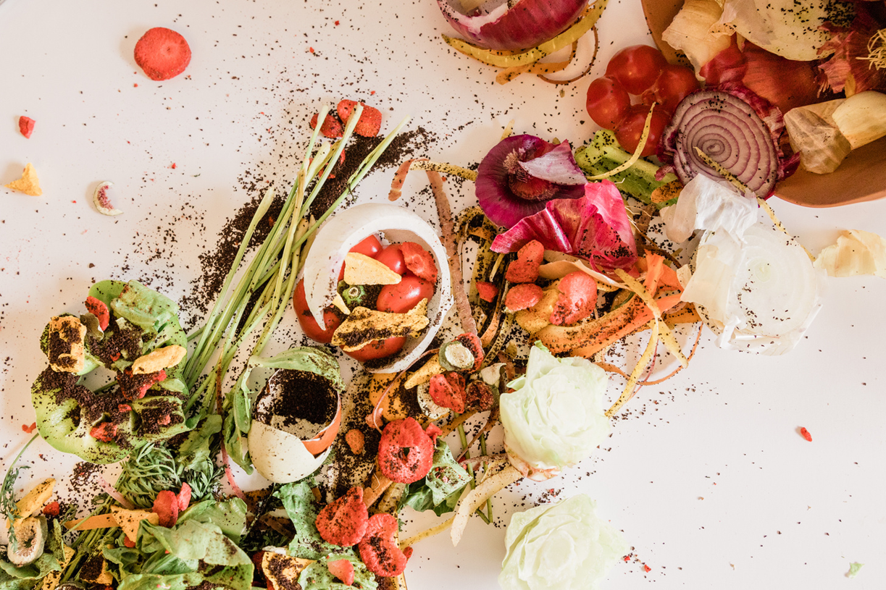
The global food system faces a critical challenge: more than one-third of all food produced is wasted, amounting to approximately 2,500 million tons annually. This inefficiency squanders natural resources and contributes significantly to greenhouse gas emissions. However, upcycling is gaining momentum across Europe. By converting products that would otherwise be wasted, the industry is transforming environmental “waste” into economic and nutritional “value”.
In Europe, the number of new products launched with “upcycling” and “waste reduction” claims grew two times between 2021 and 2025. Until May 2026, 103 such products were introduced to the EU market, with Germany (31 products) and France (15 products) leading the innovation charge. According to Innova Market Insights, this movement is part of a broader shift toward “Ethical & Sustainability” positioning, which accounts for 101 recent product launches. Specifically, 81 products have been identified as featuring upcycled ingredients. The categories driving this change include cooking, sauces & seasonings (22 products) and bakery (20 products). Successful examples already exist in the market. ReGrained® has pioneered the use of “spent grain” (a byproduct of beer production) to create nutritious flour for cake mixes and snacks. Similarly, industrial by-products from tomato or apple processing can be dehydrated and transformed into flours for pastas and ciders.
A Sustainable Path for the Food Industry
This innovation is essential for meeting the UN 2030 Agenda and the European Green Deal, which aim to halve per capita food waste by 2030. Consumers are ready for this change; studies show that over 53% of Millennials are willing to buy food containing upcycled ingredients, recognizing the environmental benefits.
By combining data-driven tools like Wasteless Decision Support Toolbox with market-led innovation in upcycling, the food industry can create a more resilient, circular food system where “waste” is recognized as a resource. This will ultimately contribute to a more sustainable future for the entire food chain.