By: Ezgi Doğan Cömert and Burçe Ataç Mogol
From: Hacettepe University, Food Quality & Safety Research Group.
18 May 2026
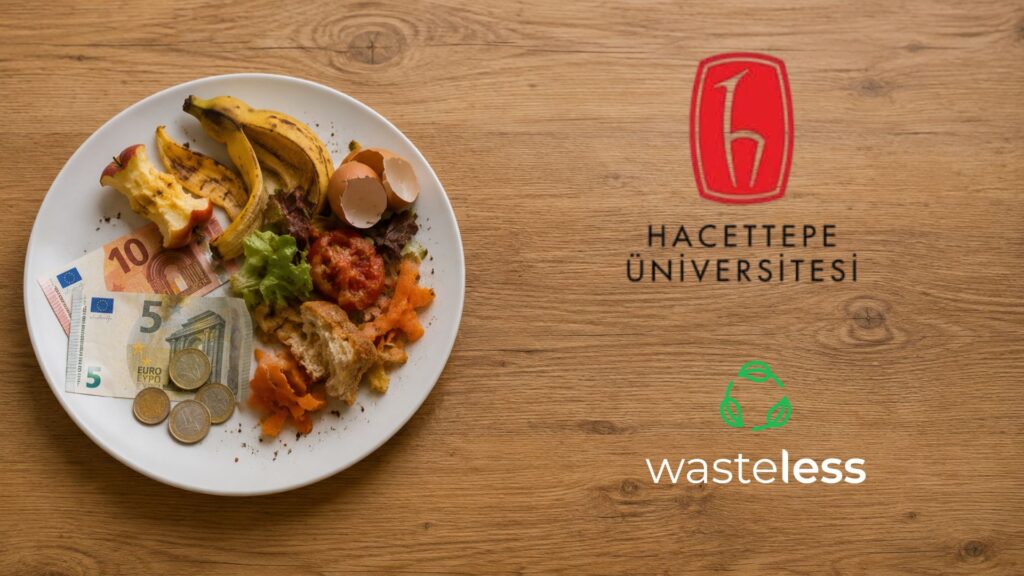
Türkiye is a leading producer of agricultural products, particularly fruits, vegetables, and nuts. However, the country faces a significant environmental and economic challenge in food loss and waste (FLW) management. According to the Turkish Foundation for Waste Reduction (TISVA) 2025 Waste Report, Türkiye wastes 8.7 million tons of food every year, equals to 102 kilograms per person. Data reveals that 60% of food waste in Türkiye occurs at household level, followed by 28% in the service sector (HoReCa) and 12% in the retail sector.
One of the notable cultural examples is the traditional Turkish breakfast- a grand dining style where numbers of small plates filled with foods are spread across the table to be shared, often resulting in significant amounts of uneaten leftovers. This practice alone causes an estimated 2 billion dollars worth of food waste annually in the HoReCa sector. Experts emphasize the need to convince people to use a selective breakfast model to reduce this huge amount of waste. The economic and ecological impacts of FLW are substantial. By preventing just 2% of food waste we can save approximately 200 million dollars, an amount sufficient to support the minimum living costs of 360,000 families for a year. The environmental impact is also significant. For example, wasting a single kilogram of tomatoes also wastes 50 liters of water. Moreover, the Central Bank of Turkey has highlighted FLW as a primary driver of food inflation, making its reduction an urgent national priority.
It is obvious that accurate measurement and a strategic framework is required to manage FLW. Unfortunately, Türkiye currently faces challenges due to a lack of standard implementations in measuring, monitoring, and reporting FLW at national level (TUSIAD, 2025). Although the private sector is adopting innovative solutions to fill this gap, these practices are still not widespread and limited at the level of small and medium sized enterprises (SMEs). Large-scale food retailers and hospitality businesses are utilizing digital tools like demand forecasting software, blockchain for supply chain traceability, dynamic shelf life-pricing practices, and smart food waste tracking platforms such as Winnow and LeanPath.
Türkiye is actively aligning its policies with the EU’s circular economy models, spearheaded by the “National Strategy Document and Action Plan on the Prevention, Reduction, and Management of Food Losses and Waste (2022-2030)”. On an administrative level, the Ministry of Agriculture and Forestry runs awareness campaigns like “Save Your Food, Save Your Table”, while the Ministry of Environment, Urbanization and Climate Change leads “Zero Waste” initiatives focusing on waste separation, local food banking and composting. The highly successful “Campaign for Prevention of Bread Waste”, reduced bread waste by 18%.
This alignment is driven by the DEEP Project (Assessment of Turkey’s Potential to Transition to a Circular Economy), a technical assistance initiative that aims to strengthen Türkiye’s institutional capacity, support its convergence with the EU’s circular economy model, and develop a comprehensive National Strategy and Action Plan. The increased reuse of food waste in the circular system is encouraged. Food waste could be converted into valuable resources, such as animal feed, biogas, and organic fertilizers. Simultaneously, “upcycling” by the food industry is another way to convert waste into value. For example, whey is a valuable byproduct of the dairy industry that is transformed into functional beverages. Another example would be turning grain by-products into animal feed and organic fertilizers.
Reducing food waste needs teamwork. Expanding tax incentives for food donations, using the same measurement systems across the industry, and encouraging changes in consumer habits can help Türkiye move toward a sustainable, circular food economy.
References:
Zeybekci, N. (2026), TISVA 2025 Waste Report. Turkish Foundation for Waste Reduction (TISVA)
Emil, D., & Bayülker, A. (2025), Reduction of Food Waste and Losses. Turkish Industry and Business Association (TUSIAD)