
From: VIMOSZ
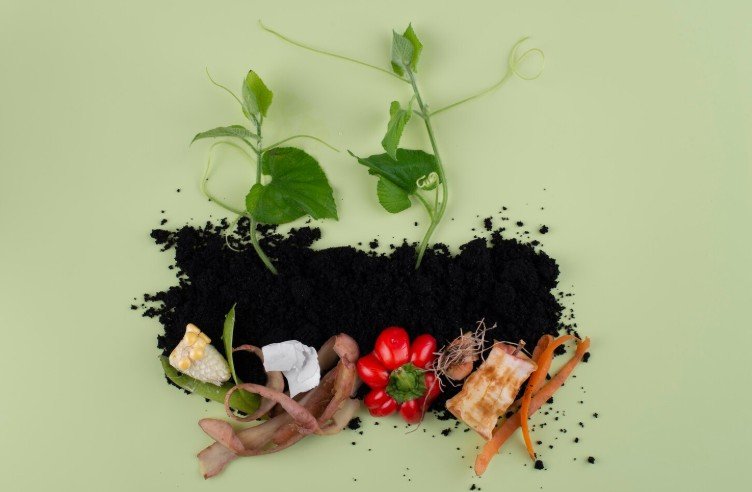
Food waste generation affects every household, although to varying degrees. Ideally, prevention would be the best solution, but when that is not possible, there are several methods available to utilize organic waste instead of disposing of it in mixed garbage. Increasingly, articles and online resources discuss these options, with composting being one of the most widely known solutions. While composting is often associated with a garden compost heap, this is not accessible in many urban environments. According to Eurostat data, around 48% of the European population lives in apartments, where traditional garden composting is not feasible. However, this does not mean that composting cannot be done at all, as balcony composting offers a practical alternative.
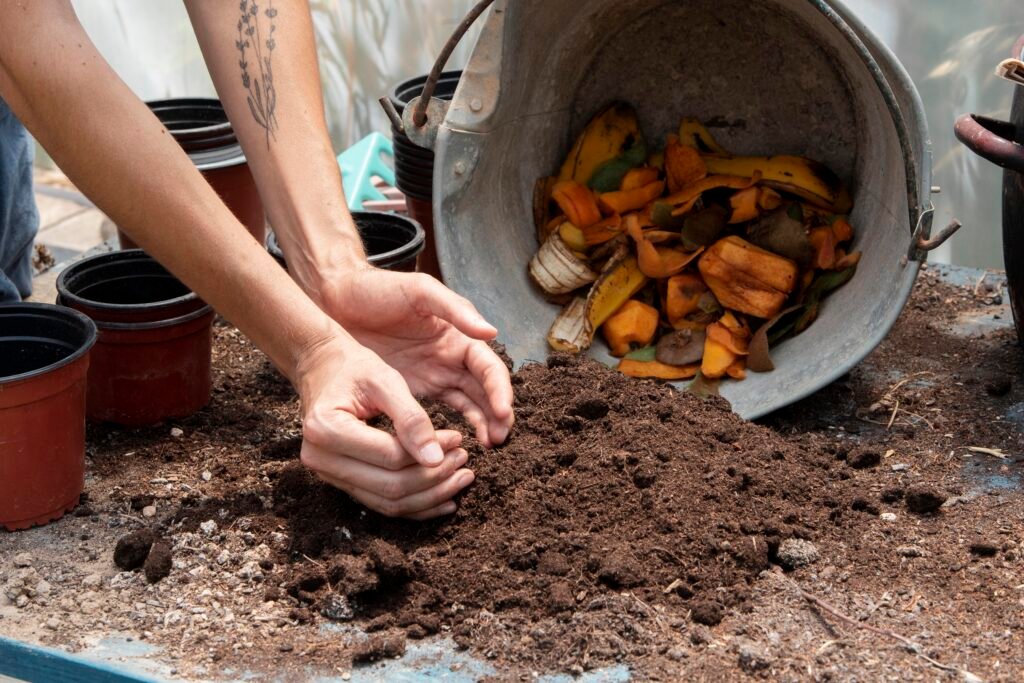
Balcony composting is advantageous because it can be carried out in small spaces, making it accessible for people living in urban apartments. The basic idea is that kitchen organic waste – such as vegetable peels, fruit scraps, coffee grounds, or eggshells – decomposes in a closed or semi-closed container. When proper rules are followed, the process does not produce unpleasant odors, so neighbors do not need to be concerned; it can be carried out in a nearly odor-free way. It is important that the material is not too wet or compacted, so a ventilated, lidded container is usually recommended.
One of the simplest solutions is a covered plastic bucket with small holes drilled into the sides and lid. These openings allow airflow, which is essential for decomposition, while the lid helps reduce odors and keeps pests away. During composting, it is advisable to layer wetter kitchen waste with drier materials such as paper or cardboard to maintain a balanced mixture.
It is important to note that not all waste is suitable for home composting. Meat, dairy products, and processed foods are not suitable for this process.
Another option is bokashi composting, which works through fermentation in a sealed container. In this method, a special microbial culture—available from garden centers or online stores—is added to initiate the breakdown process. The system requires an oxygen-free environment, so composting takes place in a fully sealed container. Today, specially designed bokashi bins with a small tap are also available, making it easy to drain the liquid that is produced during the process.
Overall, balcony composting is a simple and useful way for urban households to reduce the amount of food waste they produce. It does not require much space, and with a bit of attention it can easily be integrated into everyday life.