From: VIMOSZ
Food waste is an issue that affects every age group, from children in schools to adults in households and professionals in the food industry. But the earlier the awareness begins, the greater the long-term impact can be. This raises an important question: when is the right time to start teaching and practicing food waste reduction? The WWF has taken a proactive approach by launching the Food Waste Warriors initiative, a program designed to build sustainable habits directly within school environments.
The Food Waste Warriors program by the World Wildlife Fund (WWF) is a U.S.-based school initiative designed to reduce food waste in schools while building students’ awareness of sustainable food systems. It combines education with hands-on measurement and behavioral change activities in school cafeterias.
According to WWF, the program is available to more than 100,000 K–12 schools across the United States, primarily through an educational toolkit and supporting resources rather than a single uniform rollout. Schools can adopt the program at different levels, depending on their capacity and engagement, using WWF materials to implement food waste reduction strategies.
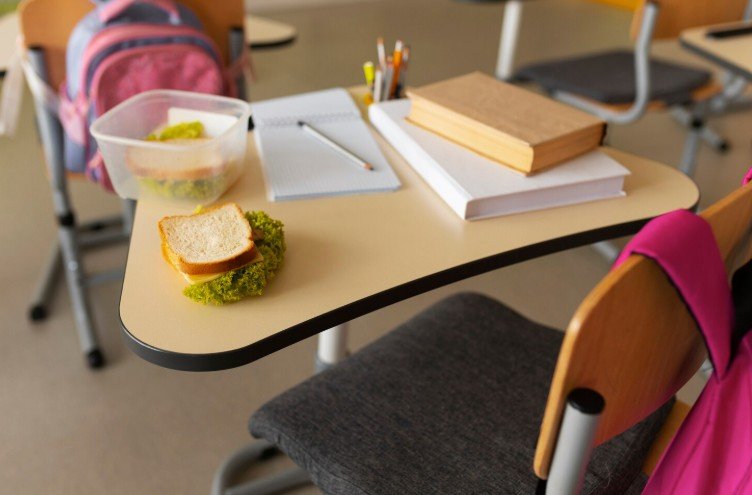
At the core of the initiative is the concept of a “food waste audit”, where students and teachers measure and categorize the amount of food discarded in the cafeteria. WWF provides structured lesson plans, data collection tools, and guidance for teachers to integrate the topic into everyday school learning. Common elements include “share tables” (where untouched food can be redistributed), composting systems, and awareness campaigns aimed at improving students’ food choices.
Another key feature is the collection and comparison of data across participating schools. This allows schools to track progress and identify which interventions are most effective. In pilot cases, schools have reported food waste reductions of around 10–15%, particularly where students are actively involved in monitoring and decision-making.
Overall, Food Waste Warriors functions not only as an environmental program but also as an educational framework. It integrates sustainability into subjects such as science, mathematics, and social studies, turning the cafeteria into a practical learning environment. The broader goal is to build long-term behavioral change by teaching students early how to value food and reduce waste in everyday life.
In conclusion, the initiative shows that when sustainable food management is introduced early in education and embedded in school routines, it can significantly reduce waste in the short term while also shaping a generation of more conscious consumers who carry these habits into adulthood and beyond.